JEGS 32013 Thermal Heat Sleeving 889944042952
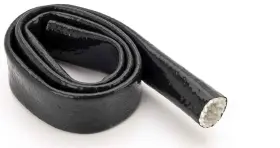
( Brand: Jegs ), ( Manufacturer Part Number: 32013 ), ( Part Type: Heat ), ( UPC: 889944042952 )
Review JEGS Thermal Heat Sleeving
Product Description for 32013 Thermal Heat Sleeving:The 32013 Thermal Heat Sleeving is a high-performance insulation solution designed to effectively protect electrical wires and cables from the harmful effects of excessive heat. This thermal sleeve is engineered using a specialized material that provides excellent insulation properties, enabling it to maintain a consistent temperature and prevent thermal runaway.
Measuring 1/2 inch in diameter, this sleeving is suitable for use with wires and cables of varying sizes. The material is flexible and can be easily wrapped around wires without causing any damage or constriction. The outer layer of the sleeving features a tough, abrasion-resistant jacket that shields the insulation material from external damage.
The thermal insulation material used in the 32013 Thermal Heat Sleeving is made from a fire-resistant and self-extinguishing compound. This ensures that the sleeving will not contribute to the spread of fire in the event of an electrical malfunction. The material is also resistant to oil, grease, and other chemicals, making it an ideal choice for use in harsh industrial environments.
The 32013 Thermal Heat Sleeving has a high melting point and excellent thermal conductivity, which allows it to effectively transfer heat away from the wires and cables it protects. This reduces the risk of overheating, which can lead to costly downtime and potential safety hazards.
The sleeving is easy to install, requiring no special tools or equipment. It can be easily cut to size using a utility knife, and the flexible material allows it to be wrapped around wires with ease. The sleeving is also available in different lengths to accommodate various cable lengths.
In summary, the 32013 Thermal Heat Sleeving is a versatile and effective insulation solution for protecting electrical wires and cables from excessive heat. Its tough, abrasion-resistant jacket and fire-resistant insulation material ensure that it can withstand the rigors of industrial environments, while its high thermal conductivity and flexibility make it easy to install and use. By investing in this thermal sleeving, you can help prevent costly downtime, improve safety, and extend the life of your electrical wires and cables.
Thermal heat sleeving, also known as liquid cooling sleeving or water cooling sleeves, is a popular modification for computer enthusiasts and overclockers to improve cooling performance and aesthetics of their PC systems. Here are some pros and cons of buying thermal heat sleeving:
Pros:1. Improved Cooling Performance: Thermal heat sleeving allows for better cooling of components by enabling water or liquid cooling to directly contact the cables, reducing the temperature inside the case.
2. Enhanced Aesthetics: The sleeved cables provide a clean and organized look to the interior of the PC, making it visually appealing and easier to manage.
3. Reduced Electrical Noise: Sleeved cables produce less electrical noise compared to non-sleeved cables, resulting in a quieter PC operation.
4. Increased Durability: The sleeving material protects the cables from damage and wear and tear, increasing their lifespan.
5. Customizability: Thermal heat sleeving comes in various colors and patterns, allowing users to personalize their PC build.
Cons:1. Cost: Thermal heat sleeving can be expensive, especially for high-end custom builds.
2. Installation Complexity: Installing thermal heat sleeving requires a significant amount of time and effort, and may require additional tools and expertise.
3. Risk of Damage: improper installation or use of low-quality sleeving materials can result in damage to the cables or components.
4. Maintenance: Thermal heat sleeving requires regular maintenance to ensure the sleeving material remains intact and the cooling performance remains optimal.
5. Compatibility Issues: Not all computer components and cases are compatible with thermal heat sleeving, and some may require modifications to accommodate the sleeved cables.
In conclusion, thermal heat sleeving offers several benefits, such as improved cooling performance, enhanced aesthetics, reduced electrical noise, increased durability, and customizability. However, it also comes with some drawbacks, including cost, installation complexity, risk of damage, maintenance requirements, and compatibility issues. Ultimately, the decision to buy thermal heat sleeving depends on the individual's budget, expertise, and priorities for their PC build. If the benefits outweigh the drawbacks and the user is willing to invest the time and effort into installation, then thermal heat sleeving can be a worthwhile investment.
Details:
part #: 32013 price
- $19.39
specifications parthick:
- brand: Jegs
- mpn: 32013
- part type: Heat
- upc: 889944042952
returns parthick:
- time: 30 Days
- paid by: Buyer
- policy: Returns Accepted
shipping parthick:
- cost: $15.99
- transit: 9-14 Days
- service: Standard
- type: Fixed
- class: Standard
offer parthick:
- options: Ship-to-home
- sold: 0
- availability: In Stock
- started: March 16, 2025
- quantity: 10
payments parthick:
- other
- wallet: Google-pay
- credit card: Diners-club
general parthick:
- Parts Accessories > Car Truck Parts Accessories > Other Car Truck Parts Accessories
- condition: New
seller parthick:
- city: , Ohio
- rating: 97.4%
- # reviews: 592614
