MAZDA PX01-10-470 Oil Lever Sensor MAZDA3
fits make: Mazda.
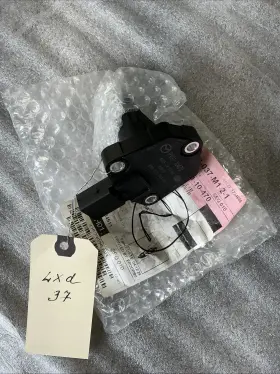
( Manufacturer Part Number: PX01-10-470 ), ( Part Type: Oil Lever Sensor ), ( Oe Spec Or Performance/custom: Oe Spec ), ( Genuine Oem: Yes )
Review MAZDA Genuine Oem Mazda3 Oil Lever Sensor
Mazda PX-10-470 Oil Pressure Sensor for Mazda3 (2004-2013)
The Mazda PX-10-470 is a specifically engineered oil pressure sensor designed for Mazda3 vehicles manufactured between the years 2004 and 2013. This critical component is a part of the engine management system, responsible for monitoring the oil pressure in the engine and transmitting real-time data to the vehicle's on-board computer.
This high-precision sensor utilizes a variable resistance technology, which allows it to accurately measure the oil pressure in the engine. The sensor's resistance changes based on the oil pressure, enabling the engine control module to adjust fuel injection and ignition timing accordingly. This ensures optimal engine performance and efficient fuel consumption.
The Mazda PX-10-470 is a compact, durable component featuring a robust design suitable for the demanding operating conditions of a modern internal combustion engine. The sensor's housing is made of high-quality materials, ensuring excellent resistance to heat, vibration, and other environmental stressors.
Installation of the Mazda PX-10-470 is straightforward, making it an ideal choice for DIY enthusiasts. The sensor comes with a clear and concise installation manual, featuring step-by-step instructions and illustrations to guide you through the process. Additionally, the sensor is plug-and-play, requiring no modifications to the wiring harness, ensuring a hassle-free installation experience.
In the event of a faulty oil pressure sensor, symptoms may include engine misfires, rough idling, or even engine stalling. By replacing the faulty sensor with a new Mazda PX-10-470, you can restore optimal engine performance and ensure the longevity of your Mazda3.
In conclusion, the Mazda PX-10-470 oil pressure sensor is an essential component for maintaining the performance and longevity of your Mazda3 (2004-2013). With its precise measuring capabilities, robust design, and straightforward installation process, this sensor is an excellent choice for both professional mechanics and DIY enthusiasts alike.
Buying a Mazda PX-10-470 oil pressure sensor for your Mazda3 can help ensure the proper functioning of your engine's oil system. This sensor monitors the oil pressure and sends the information to the car's engine control unit. If the sensor detects low oil pressure, it can trigger the check engine light and potentially prevent engine damage.
Pros of buying a Mazda PX-10-470 oil pressure sensor for your Mazda3 include:1. Ensuring engine protection: A faulty oil pressure sensor can lead to engine damage due to lack of lubrication. Replacing the sensor can help prevent these issues.
2. Improved engine performance: A faulty oil pressure sensor can also lead to poor engine performance, such as rough idling or stalling. Replacing the sensor can help improve engine performance and reliability.
3. Diagnostic capability: Replacing the oil pressure sensor can help diagnose other engine issues. For example, if the oil pressure sensor reads low pressure even when the engine is running normally, it may indicate a problem with the oil pump or oil viscosity.
Cons of buying a Mazda PX-10-470 oil pressure sensor for your Mazda3 include:1. Cost: Replacing the oil pressure sensor can be an expense, especially if you choose to have it installed by a professional mechanic. The cost of the sensor itself can range from $50 to $150, while labor costs can add another $50 to $100 or more.
2. DIY installation complexity: While some Mazda3 owners may be able to install the sensor themselves, others may find it to be a more complex process. This can lead to additional time and frustration.
3. Potential for other issues: Replacing the oil pressure sensor does not guarantee that other engine issues will be resolved. Other components, such as the oil pump or oil cooler, may also need to be inspected and replaced.
In conclusion, buying a Mazda PX-10-470 oil pressure sensor for your Mazda3 can help ensure engine protection, improve engine performance, and provide diagnostic capability. However, the cost and potential complexity of installation are considerations to keep in mind. Ultimately, if you suspect that your oil pressure sensor is faulty, it may be worth investigating further to determine if replacing the sensor is the best course of action for your vehicle. If you are not confident in your ability to diagnose and install the sensor yourself, it may be best to consult a professional mechanic for advice and assistance.
Details:
New original part.
part #: px0110470 prices
- $86.40-$112.19
specifications parthick:
- for makes: Mazda
- mpn: Px01-10-470
- part type: Oil Lever Sensor
- oe spec or performance/custom: Oe Spec
- genuine oem: Yes
general parthick:
- condition: New
- Parts Accessories > Car Truck Parts Accessories > Other Car Truck Parts Accessories
shipping parthick:
- carrier: USPS
- service: USPS Ground Advantage
- class: Standard
- cost: $8.75
- transit: 5-11 Days
- type: Calculated
payments parthick:
- credit card: Discover
- wallet: Paypal
- other
returns parthick:
- policy: Returns Accepted
- time: 30 Days
- paid by: Buyer
seller parthick:
- # reviews: 297
- city: Hollywood, Florida
- rating: 98.6%
offer parthick:
- best offers: True
- options: Ship-to-home
- quantity: 1
- sold: 0
- started: April 9, 2026
- availability: In Stock
Mazda PX01-10-470 Is Similar To:
- Mazda Bcka-57-k1x 2019-2023 3 Cx30 Front Impact Crash Sensor Srs Oem (36.4% similar) 2019-2023 mazda 3 CX30 front impact crash sensor Sr's oem BECK-57-K1X. Shipped with USPS ground advantage. Condition is used...(May 18th, 2024)
- Mazda 5w-20 04-12 3 03-10 6 06-10 5 2.0l Engine Oil Filler Cap Cover Oem (46.4% similar) Review all photos carefully to better assess cosmetic condition, 100% perfect working order. Used items may show signs of wear. Thanks in advance, capitally. They are 100% original oem products. Fits, make sure if this is the part you are looking for. 04-12 mazda 3/0 3-10 6/0 6-10 5/2 .0L...(June 1st, 2024)
- Mazda F138-66-cs0 1993 Rx-7 Fd3s Genuine Clock Spring Spiral Cable 5type 6type (35.1% similar) Removed off a 94 FD RX7. Everything was functional at the time of removal...(June 5th, 2024)
- Ford F4zb-13350-bb Oem Ranger Pickup Mazda Tribute Flasher Turn Signal Relay (35.7% similar) It will also fit 94-98 ford mustang cars. This is located under the dash, comes without installation clip. Part number is F4ZB-13350-BB. Item is guaranteed to work perfectly or your money back. You are buying used ford flasher relay...(June 10th, 2024)
- Mazda Bjs751pb1 2014-2018 3 Right Hand Window Molding Oem (32.7% similar) 2014-2018 mazda 3 right hand window molding BJS751PB1 oem. First come first serve. There is no holding of item sunless agreed upon. Receipts are available upon request...(June 14th, 2024)
- Mazda Fp39-13-215r-00 99 00 Miata Nb1 1.8l Mass Air Flow Sensor Mx-5 Fp39 Oem (38.5% similar) 99-00 mazda Marta NB1 1.8L mass air flow sensor MC-5 oem. Good working condition...(June 24th, 2024)
- Mazda 590.mz1214 2014-2016 Cx-5 Engine Computer Control Module Ecu Ecm Py3s-18-881g Oem (31.4% similar) Items which become externally damaged after item is received by customer, are not covered warranty. Standard warranty...(July 5th, 2024)
- Mazda 646-12911 2018 3 Engine Compartment Fuse Box Oem 60k Miles Lkq382620882 (34.8% similar) This is not a manufacturer part number, and can be disregarded. Any included fuses are considered a free bonus and not covered by any kind of warranty. This will fit: mazda 3...(July 10th, 2024)
- Mazda Gr6a6439x 02-08 Wagon Center Console Cupholder E-brake Surround Panel Trim Oem (23.4% similar) May have scuffs, scratches or other defects. Please review each photo in the listing for more details on condition. Tested and fully functional. The pictures are of the actual item / items. 02-08 mazda wagon console upholder e-brake surround panel trim oem. Preowned condition...(July 21st, 2024)
- Mazda P51n-15-15y Mx-5 16-23 Miata Control Electric Fan Unit D023 Oem 2016 2 (32.6% similar) May have wear and tear, color: images: all images are of the actual item. Mazda MC-5 16-23 Marta control electric fan unit P51N-15-15Y, D023, oem, 2016 , 2017 , 2018 , 2019 , 2020 , 2021 , 2022 , 2023, fitment information: 2016 -2023. Part number: P51N-15-15Y, placement on vehicle: condition: used item...(July 23rd, 2024)
- Mazda Bhn9-67-210 2015 2018 3 Rear Right Passenger Door Wiring Harness Oem (29.5% similar) This wiring harness is a genuine oem part for the 2015 -2018 mazda 3 rear right passenger door. No damage to any of the connectors. Condition: good condition. No issues present. It is a high-quality and reliable oem part that will ensure the proper functioning of your vehicles rear right...(August 3rd, 2024)
